ServicesTax Management
Tax Management in Matawan
A big tax bill usually has a specific cause: a fund throwing off capital gains, a withdrawal taken from the wrong account, income bunched into one year. We find that cause first, then adjust your financial plan so the fix holds year after year.
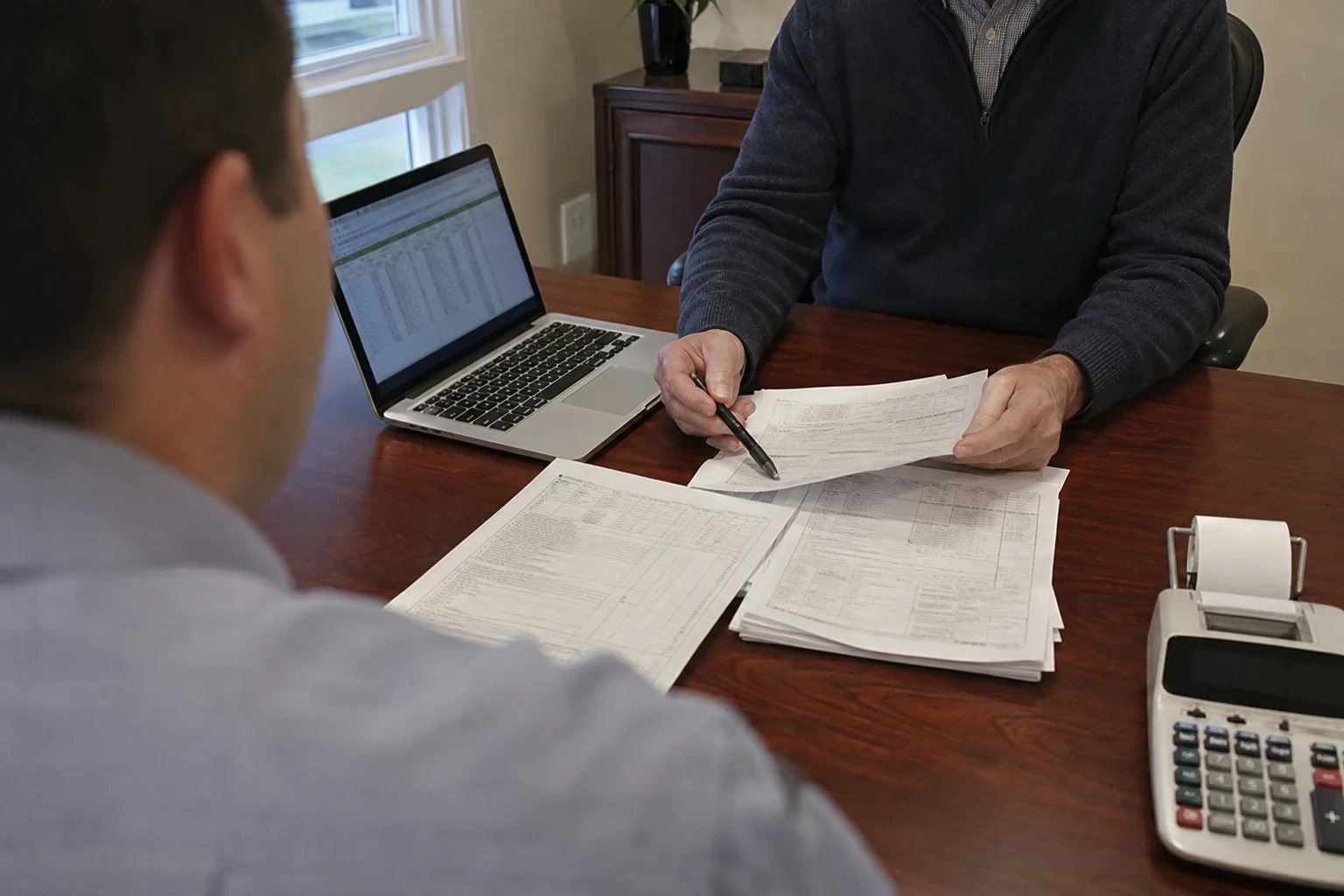
Planning around taxes, not just paying them
Tax management is the part of your financial plan that decides where your money sits, when you sell, and which account you draw from. It does not replace your tax preparer. Your preparer reports what already happened. We look ahead and help shape what happens next, then share our notes with your CPA so everyone works from the same picture.
Most clients come to us after a surprise. A refund turned into a balance due, or a retirement account withdrawal pushed them into a higher bracket. Before we suggest anything, we read your recent returns and statements line by line to see what really caused it. Guessing leads to changes that solve the wrong problem.
This work matters most for people with investments outside retirement accounts, business owners with uneven income, and retirees who now control when and how their income arrives.

What our tax management work covers
- 01
Return and statement review
We go through your last two or three tax returns alongside your brokerage and retirement statements. That shows us where taxable income is coming from and which pieces you can actually influence.
- 02
Asset location
Some holdings are better kept in taxable accounts, others in IRAs or Roth accounts. We look at what you own and where, and suggest moves that reduce the yearly drag without changing your overall investment mix.
- 03
Gains, losses and timing
As a Series 7 licensed advisor, we can manage the trades themselves. That includes selling losing positions to offset gains when it fits your plan, and spreading large sales across tax years instead of taking the hit all at once.
- 04
Retirement withdrawal order
Which account you tap first can change your lifetime tax bill. Our Chartered Retirement Planning Counselor (CRPC) training guides how we sequence withdrawals, Roth conversions and required minimum distributions.
- 05
Charitable giving strategy
If you give regularly, we look at whether donating appreciated shares or bunching gifts into certain years makes your generosity go further.
- 06
Coordination with your CPA
We send your preparer a short summary of the moves we made and why. Fewer surprises in April, and no conflicting advice.
Questions about Tax Management?
Call(732) 739-7013Signs it is time to look closer at your taxes
Your tax bill jumped without a raise
If your income stayed about the same but you owed more, something underneath changed. Fund distributions and forgotten account activity are common culprits.
Capital gains you did not plan
Mutual funds can pay out gains even in years you sold nothing. If that keeps happening in a taxable account, the holdings may belong somewhere else.
You are about to retire
The years between leaving work and required distributions are often the best window for Roth conversions. Once that window passes, it does not come back.
Business income swings year to year
Uneven income makes it easy to overpay in good years. Planning contributions and timing around those swings can smooth things out.
An inheritance or a large sale is coming
Selling a business, property or a concentrated stock position is a moment to plan before the paperwork, not after.
How we work through it with you
- 1
Introductory meeting
First we sit down together, either in our office or over a phone or video call. Share what has been bothering you about your taxes, and we will list the documents we would want to see.
- 2
Finding the cause
We review your returns and account statements and mark exactly which items drove your taxes up. You see our findings in plain language before any recommendation.
- 3
A written plan
We lay out the specific changes we suggest, what each one is meant to accomplish, and any trade-offs. Nothing moves until you agree.
- 4
Putting it in place
We handle the account changes, trades and transfers, and we send a summary to your tax preparer.
- 5
Checking in through the year
Taxes are not a once-a-year event for a portfolio. We review before year-end, when there is still time to act.
What affects the cost of tax management
Fees depend on how much there is to untangle and how often we need to revisit it. Before you sign anything, we walk you through our fee structure in plain terms so you know exactly how we are compensated. These are the things that usually move the cost up or down.
- Number and types of accounts
- A single IRA is simpler to plan around than a mix of brokerage, retirement, business and inherited accounts.
- Complexity of your income
- Business income, rental income, stock compensation or pension choices add layers we need to model.
- Ongoing or one-time work
- A single review and plan costs differently from year-round management that includes trades and year-end check-ins.
- Coordination with other advisors
- Working closely with your CPA or attorney takes time, especially around a sale or an estate.
Tax management questions we hear often
Do you prepare my tax return?
No. We are not your tax preparer. We plan your investments and withdrawals with taxes in mind, then share what we did with your CPA or preparer so the return reflects it.
How is this different from what my accountant already does?
Your accountant mostly looks back at the year that ended. We look forward and make decisions inside your accounts during the year, like when to sell or which account to draw from. The two jobs fit together well.
Can you help with New Jersey taxes, not just federal?
Yes, we factor in both. New Jersey treats some retirement income differently than federal rules do, so a withdrawal plan that looks good federally may need adjusting for your state return. We check both before recommending anything.
Is it worth doing if my portfolio is modest?
Often, yes, especially near retirement. Choosing the right withdrawal order or converting a slice to Roth each year can matter more than the size of the account. We will tell you honestly if there is little to gain.
What should I bring to the first meeting?
Your last two years of tax returns and recent statements for each investment and retirement account are enough to start. If you own a business, bring a recent profit and loss summary too.

Find out what is really driving your tax bill
Bring your returns and statements, and we will walk through them together. You will leave knowing where your taxes come from and what we would change.